 WhatsApp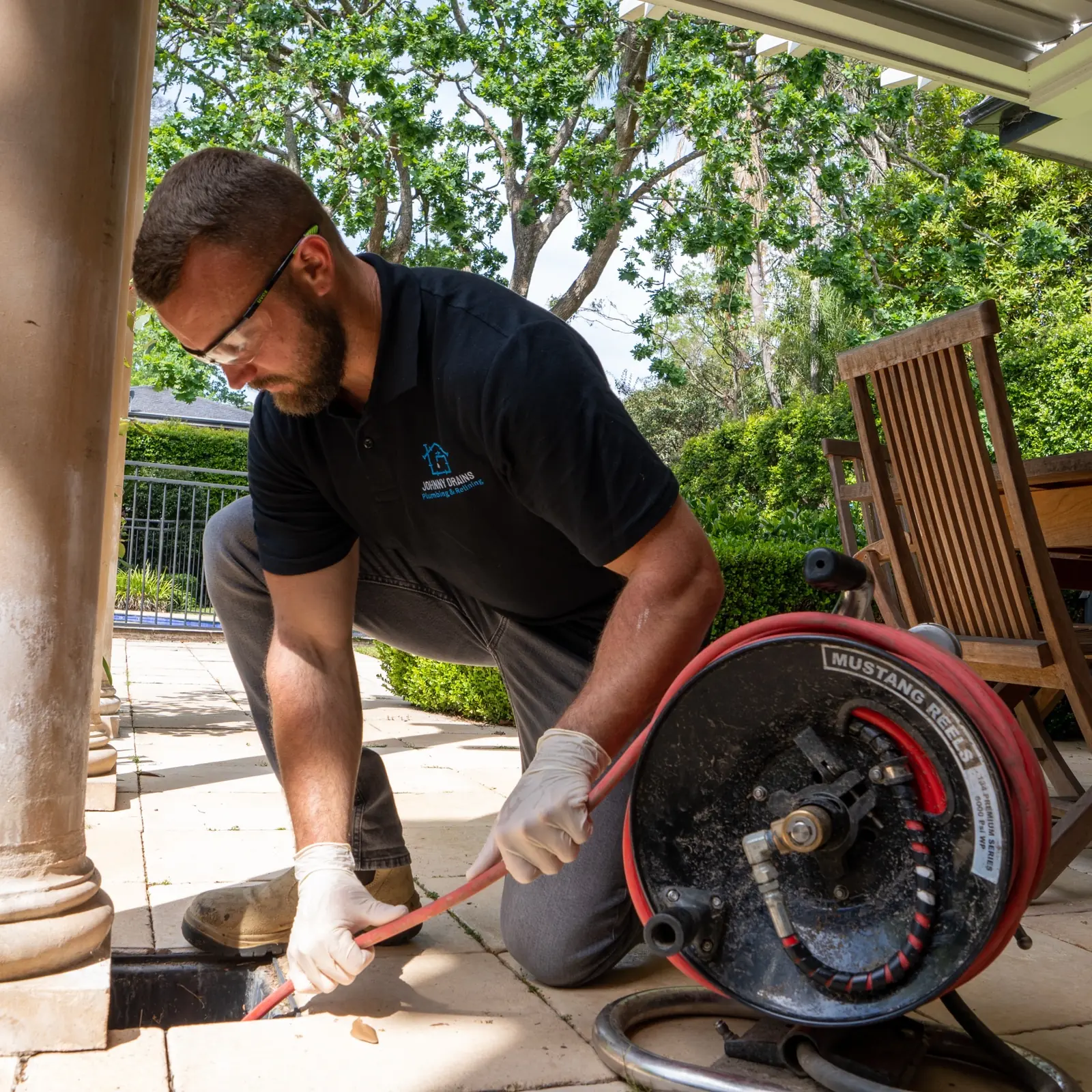
A simple local sink or shower blockage may respond to safe basic cleaning or a plunger. Stop DIY attempts when multiple fixtures are affected, sewage is backing up, the blockage keeps returning or you suspect roots or pipe damage.
DIY can be reasonable for a small local blockage
If one sink, shower or basin is slow and every other fixture works normally, the restriction may be close to that fixture. Hair and soap build-up around an accessible waste can sometimes be removed safely, and a suitable plunger may restore flow.
Use gloves, protect the area and avoid dismantling anything you are not confident you can reassemble correctly.
Be careful with chemical drain cleaners
Strong drain chemicals can create hazards for you and for the technician who works on the line afterwards. They may also be unsuitable for some pipe materials or blockage types. If you have already used a chemical product, tell the plumber before work begins.
A chemical that temporarily opens a path does not identify roots, a damaged joint or a collapsed pipe.
Stop DIY if several fixtures are affected
If the toilet, shower and floor waste are all slow or backing up, the problem may be in a shared branch or main sewer line. Continuing to run water can turn a restriction into an overflow.
That is the point to move from DIY to professional blocked drain clearing.
Recurring blockages need evidence
A blockage that comes back after plunging or basic clearing is giving you useful information: the underlying cause may still be present. Tree roots, damaged pipework, poor fall and displaced joints are common reasons for recurrence.
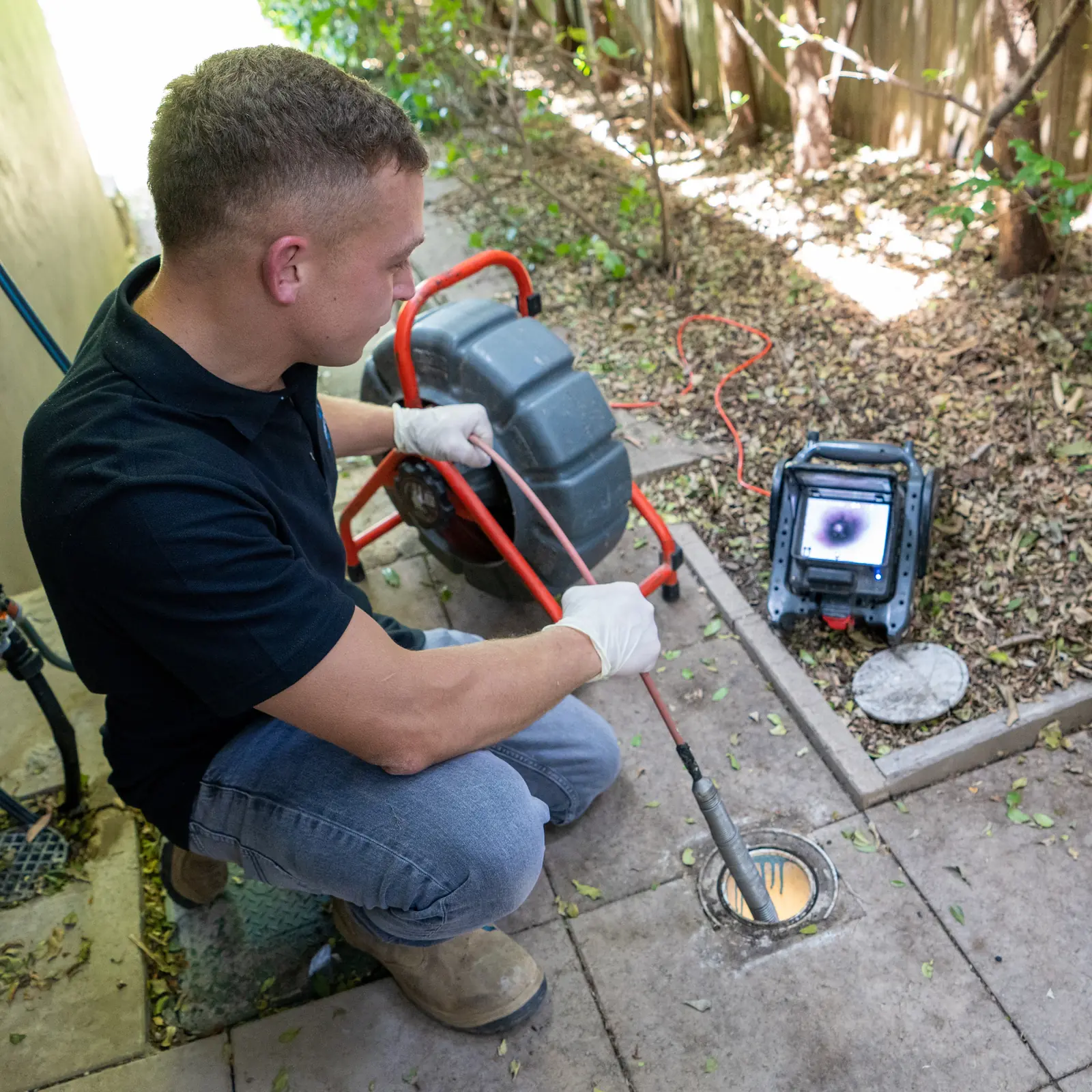
After flow is restored, CCTV inspection can show whether the line needs more than clearing.
Why professional jetting is different from a garden hose
High-pressure drain jetting uses purpose-built equipment, specialist nozzles and controlled pressure to clear suitable pipes. It is not the same as pushing a household hose into a drain. Incorrect equipment or technique can fail to remove the blockage and may create additional risk.
A sensible DIY limit: one fixture, simple access, no sewage
A practical rule is to keep DIY efforts limited to simple, local problems where one fixture is affected and there is no sign of sewage backing up elsewhere. Cleaning an accessible waste, removing hair from a shower grate or using a plunger correctly is very different from trying to clear an underground sewer line.
If your attempt changes nothing after a reasonable try, stop rather than escalating to improvised tools. Forcing rods, hoses or unsuitable attachments into a drain can lodge material farther along the pipe or make retrieval more difficult.
Things to tell the plumber if you have already tried DIY methods
Explain which products or tools were used and whether anything was pushed into the drain. This is particularly important if chemical cleaners were added. The technician needs to know about potential chemical exposure before opening the line or using equipment that could cause splashback.
Also explain whether the blockage changed after your attempt. A brief improvement followed by another backup can suggest that only a small path was opened through the restriction.
Common DIY blocked drain questions
Can boiling water clear a blocked drain?
Hot water may help with minor greasy residue in some situations, but it will not repair roots, displaced joints or a collapsed pipe. Very hot water can also be unsuitable for some plumbing materials and fixtures.
Can I use a pressure washer in the drain?
A domestic pressure washer is not a substitute for professional drain jetting. Drain jetters use specialist hoses and nozzles designed to travel through pipework and control the direction of water and debris.
What if the toilet and shower are both blocked?
That pattern can indicate a shared downstream restriction. Minimise water use and arrange professional clearing rather than treating each fixture as a separate problem.
What if the blockage comes back every few weeks?
Recurring blockages deserve CCTV diagnosis. Repeated plunging may keep restoring temporary flow while a root entry or structural defect remains unchanged.
When it is an emergency
Call for urgent help when sewage is overflowing, toilets are unusable, water is rising toward the building or the blockage affects essential facilities. Keep people away from wastewater and minimise water use until the line is assessed.
Johnny Drains provides emergency blocked drain help across the Northern Beaches and Lower North Shore.