 WhatsApp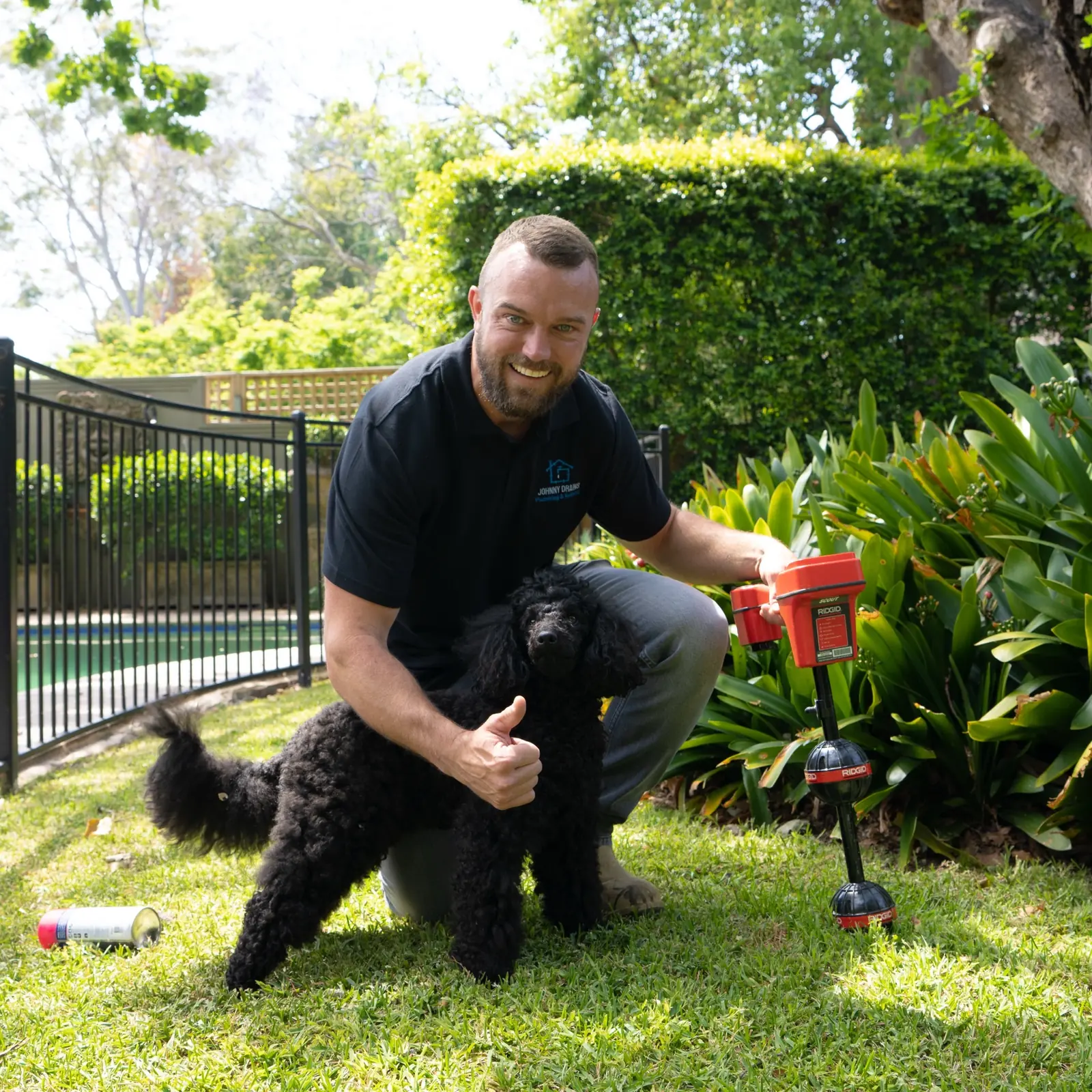
A persistent sewage smell can come from a dry trap, trapped waste, a partial blockage, damaged drainage or another defect allowing odours to escape. The location and timing of the smell help narrow the cause, but recurring odour needs diagnosis.
Start with the simple possibilities
A little-used floor waste, shower or basin can lose the water seal in its trap. Without that water barrier, drain odours may enter the room. Running water into the fixture can restore the seal if that is the only issue.
Also check for obvious waste build-up around accessible grates, strainers and overflow openings.
A partial blockage can hold smelly waste
Grease, food residue, hair and organic debris can sit inside a restricted pipe and create persistent odours. If the same drain is also slow or gurgling, the smell may be part of a blockage rather than a standalone cleaning issue.
For broader symptoms, see blocked drain clearing.
When the smell points to a deeper drainage fault
Odour that returns after cleaning, appears in several areas or seems to come from walls, floors or outdoor drainage can require further investigation. Cracked pipes, failed joints, missing seals or other drainage defects may allow sewer gas to escape.
Johnny Drains offers drain leak and odour detection for this type of problem.
Why location and timing matter
Note whether the smell is worse after flushing, showering, using the washing machine or after heavy rain. Also note whether it is strongest at one fixture, an outdoor gully or a particular room. These patterns help the technician choose where to investigate first.
How CCTV can help
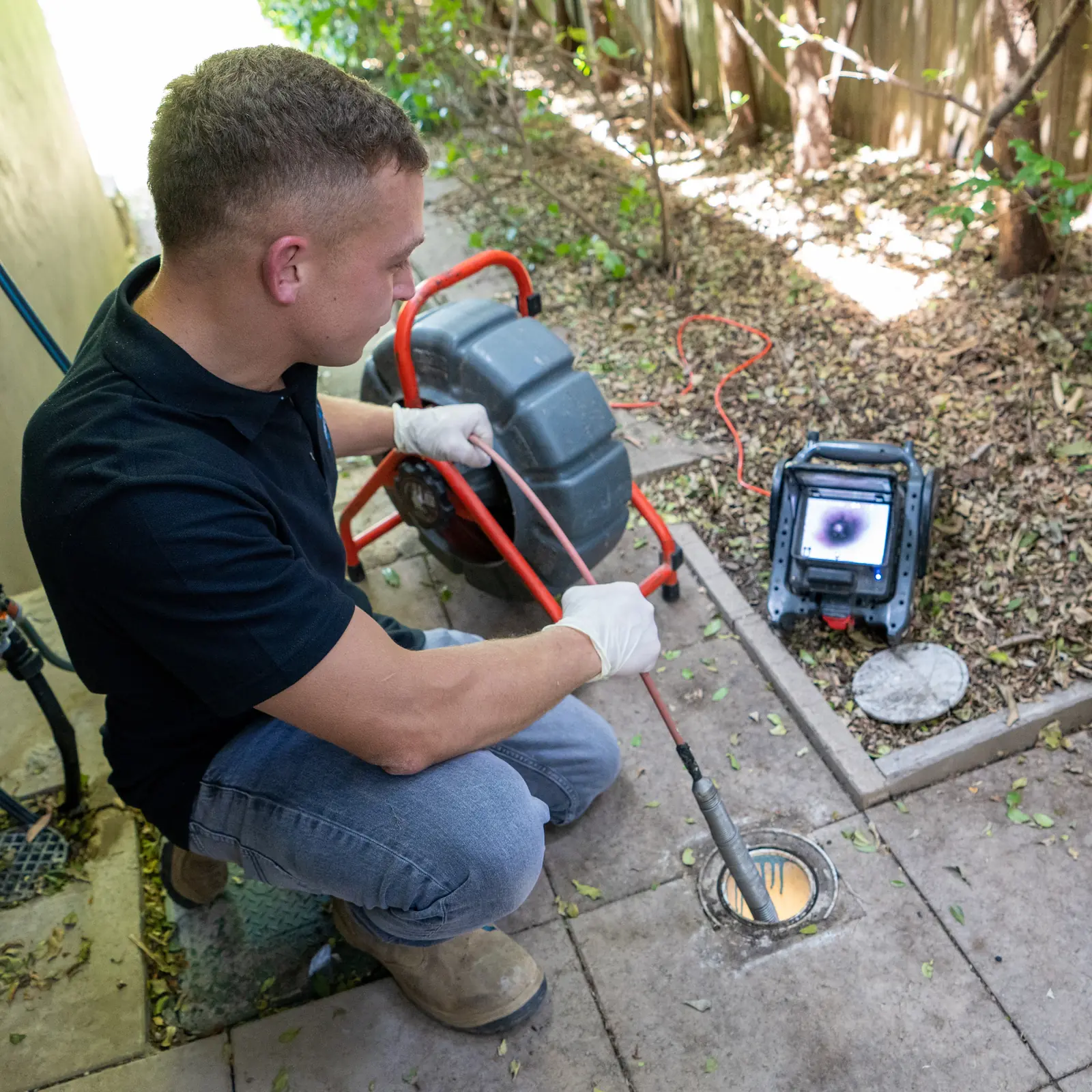
A drain camera can show internal pipe condition, obstructions and obvious defects. It is particularly useful when odour accompanies recurring blockages or when a damaged underground section is suspected.
If the defect needs to be located precisely for repair, CCTV can be combined with drain locating and mapping.
Try to separate a fixture smell from a building-wide smell
If the odour is strongest at one little-used basin or floor waste, start by checking whether its trap has water in it. If the smell appears in several rooms, near wall penetrations or outside around a gully, the source may be farther into the drainage system.
Do not mask the smell with fragrance before an inspection if you can avoid it. The exact location and intensity can be useful clues for tracing the source.
Odour plus drainage symptoms tells a stronger story
A sewage smell becomes more diagnostically useful when it appears together with slow flow, gurgling, repeated blockages or changes after flushing. That combination can indicate trapped waste or pressure changes associated with a restricted line.
If the odour follows heavy rain, note whether any outdoor pits or gullies also backed up. The timing may connect the smell to a drainage capacity problem rather than an indoor fixture alone.
Common questions about drain smells
Why does a bathroom drain smell after being unused?
The water seal in a trap can evaporate when a fixture is unused for a long period. Restoring water to the trap may solve that simple cause.
Can tree roots cause sewer smells?
Roots themselves are not the odour source, but root intrusion can restrict flow and trap wastewater. The same pipe defect that allows roots in can also be part of a broader drainage problem.
Should I use bleach to fix the smell?
Cleaning may reduce surface odours, but bleach does not repair a damaged pipe or remove a deeper obstruction. Avoid mixing cleaning chemicals and tell the technician what has been used.
What if the smell is strong but drains are not slow?
That can still require investigation. Trap seals, pipe joints, vents and hidden drainage defects can create odour without an obvious blockage.
When to call
Arrange professional help if the smell is strong, persistent, associated with sewage overflow, or accompanied by slow drains and gurgling. Johnny Drains serves Sydney’s Northern Beaches and Lower North Shore with CCTV, blocked drain clearing and odour investigation.