 WhatsApp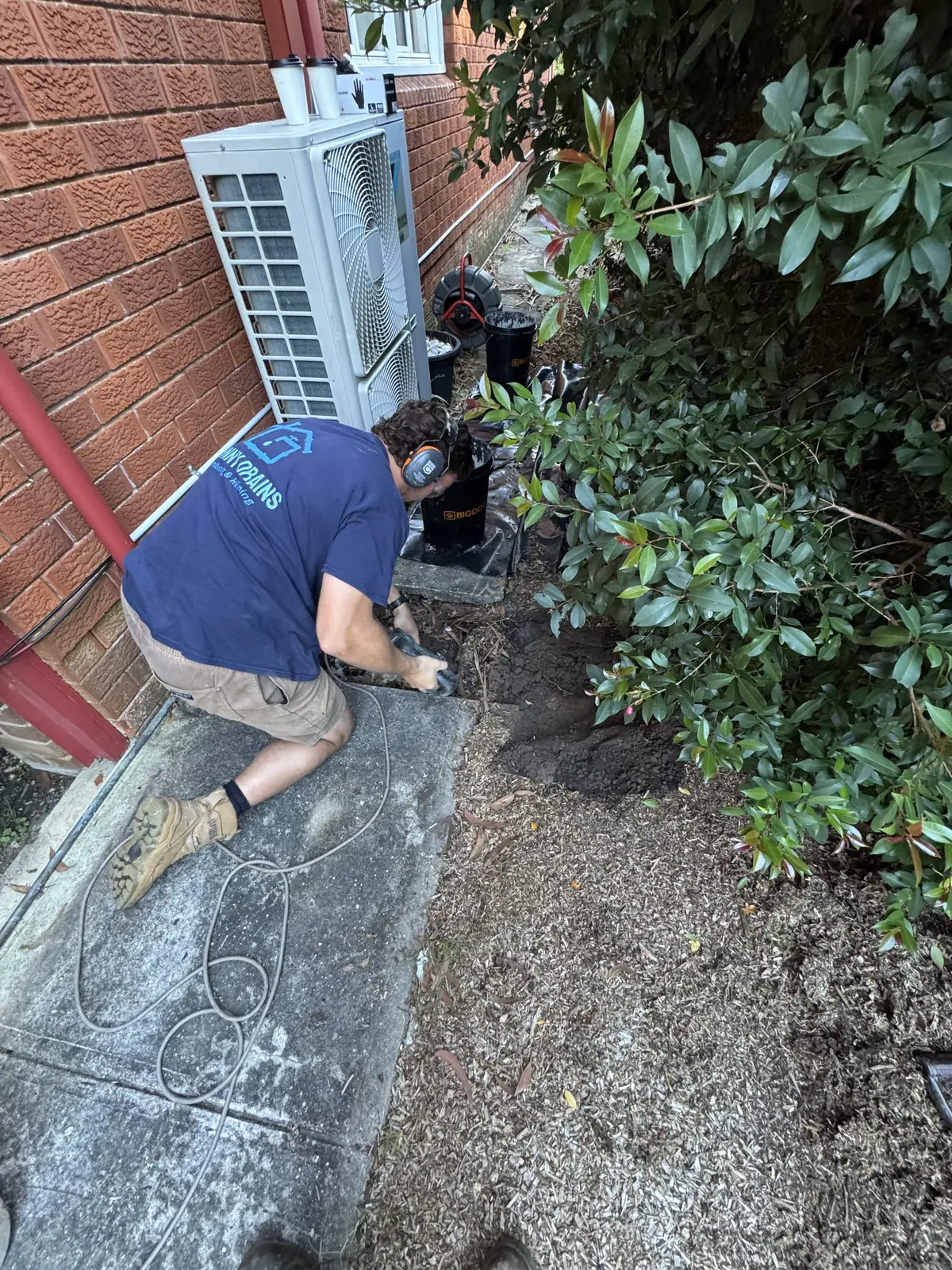
Repeated blockages, poor flow and a camera that cannot pass a section can point to serious pipe damage, but symptoms alone cannot confirm a collapse. CCTV and locating are the key steps before choosing excavation, relining or another repair.
What a collapsed drain means
A collapsed drain is a section of pipe that has lost its shape or structural continuity enough to restrict flow. The cause can include ground movement, ageing materials, excavation damage, severe root intrusion or a failed joint.
Not every recurring blockage is a collapse. Roots and displaced joints can create similar symptoms, which is why evidence matters.
Common warning signs
- The same drain blocks repeatedly after clearing
- Flow remains poor even after debris is removed
- Several fixtures are affected by the same downstream restriction
- The CCTV camera cannot pass a particular point
- There is visible deformation, breakage or a severe offset on camera
- Ground movement or previous excavation has occurred near the line
How CCTV confirms the problem
CCTV drain inspection provides a direct view inside the pipe. The technician can assess whether the line is cracked, displaced, root-damaged, obstructed or physically collapsed.
A locator can then mark the defect position and depth, helping avoid unnecessary excavation.
When excavation is the right repair
Targeted drain excavation is often necessary when the pipe has lost its shape, the section cannot be accessed internally or the defect is unsuitable for relining. The aim is to expose and replace only the section that needs it where practical.
When pipe relining may be possible
Pipe relining can rehabilitate some cracked or root-damaged drains without excavating the full pipe run. It needs a pipe that can be properly prepared and is structurally suitable for a liner.
A truly collapsed or badly deformed section may need excavation first. CCTV evidence should drive that decision.
Why repeated clearing cannot rebuild a damaged pipe
Jetting or mechanical clearing can remove material from inside a pipe, but it cannot restore a section that has physically deformed, separated or collapsed. If flow improves only briefly because debris keeps collecting at the same defect, the long-term decision becomes a repair question.
The goal of diagnosis is to avoid excavating more than necessary. Camera distance, electronic locating and depth information help target the problem area.
Relining and excavation solve different structural problems
Relining creates a new structural lining inside a suitable existing pipe. It can be effective where the host pipe still provides a workable pathway and can be cleaned and prepared. Excavation replaces or repairs the physical pipe section directly and is often necessary when the route is blocked by severe deformation or collapse.
Neither method should be chosen solely because it sounds less disruptive or cheaper. The camera evidence, pipe geometry, access and defect type should determine the recommendation.
Common questions about collapsed drains
Can a collapsed pipe still drain slowly?
Yes. A severe defect can leave a small opening that passes some water while catching paper and debris. Symptoms may therefore alternate between slow drainage and complete blockage.
Will a CCTV camera always pass a collapsed section?
No. The point where the camera stops can itself be useful evidence, especially when combined with a locator to mark the position.
Can tree roots collapse a drain?
Roots commonly enter through existing cracks or joints and can worsen damage over time. Ground movement, ageing materials and excavation can also contribute to structural failure.
Do I need to replace the whole drain?
Not necessarily. Some defects can be repaired locally. A proper survey should identify the affected section before the scope is decided.
Do not keep clearing a structural fault
If a drain blocks again and again, repeated clearing may restore flow temporarily without solving the cause. Johnny Drains can clear the line, inspect it, locate the defect and explain the repair options across the Northern Beaches and Lower North Shore.