 WhatsApp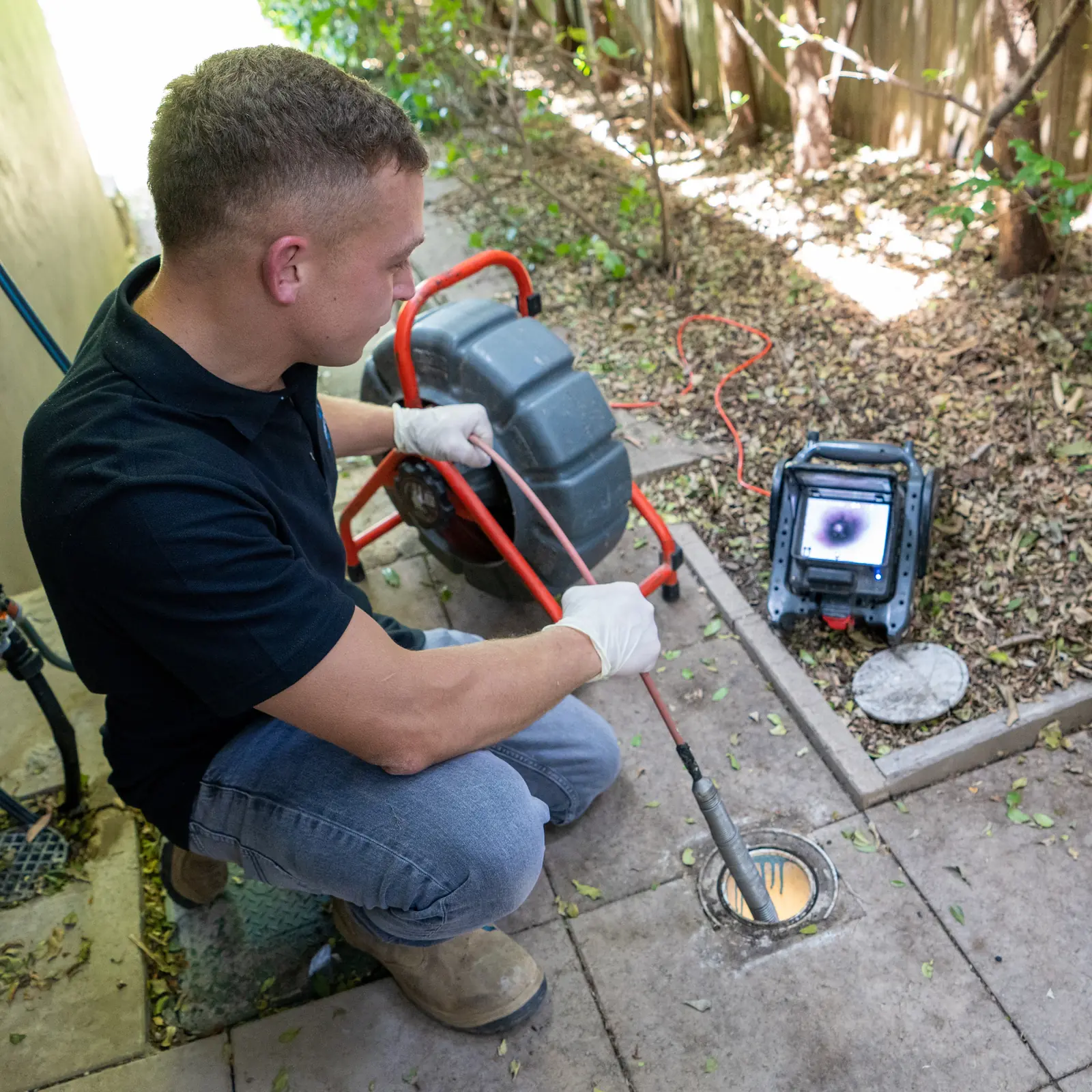
A standard property inspection cannot always show the inside of underground drains. CCTV can reveal root intrusion, cracks, displaced joints, heavy build-up and other defects that may affect future drainage work. It is most useful when the property, pipework or history gives you a reason to look closer.
What a normal property inspection may not show
Underground sewer and stormwater pipes are mostly out of sight. A property can look well maintained while an older drain contains roots, cracked sections or poor joints. Unless there are obvious symptoms, those defects may not appear during a general visual inspection.
What a CCTV drain inspection can reveal
A camera can show internal pipe condition, root intrusion, foreign objects, scale, displaced joints, cracks and sections where water or debris is sitting. It can also help confirm whether the line is accessible and whether further locating is worthwhile.
See CCTV drain inspections for the service approach.
When a pre-purchase drain inspection is most useful
- The property is older or has mature trees near drainage routes
- There is a history of blocked drains or sewer repairs
- You notice gurgling, slow drainage or unusual odours during inspections
- Major landscaping, extensions or renovations are planned
- You want evidence before accepting a claim that the drains are “fine”
Drain mapping can add context
If renovation or excavation is planned, drain mapping and locating can help establish where underground lines run. This is useful when old plans are incomplete or when the pipe route affects a future building decision.
What to ask for after the inspection
Ask the technician to explain the important camera findings in plain language: where the defect is, how serious it appears, whether flow is affected and what the next step would be. If a repair is recommended, ask whether pipe relining, targeted excavation or monitoring is the appropriate option and why.
What a useful pre-purchase drain report should tell you
The value of CCTV is not simply having a video file. You want the important findings interpreted: pipe material where identifiable, access used, sections inspected, visible defects, approximate locations and whether anything prevented the camera from continuing.
If a defect is found, ask how it affects current function and what action is proportionate. A minor observation and a major structural defect should not be presented as if they carry the same risk.
How the findings can affect your property decision
A drain issue does not automatically mean you should walk away from a property. The inspection gives you information for due diligence. You may decide the defect is minor, request a repair quote, plan future maintenance or seek further advice before committing to renovation work.
For buyers planning an extension, pool, landscaping or major excavation, knowing the drain route can also prevent surprises later.
Common pre-purchase CCTV questions
Is a drain camera inspection the same as a building inspection?
No. It is a specialist inspection of accessible drainage pipework and complements broader building or pest due diligence rather than replacing it.
Can CCTV see every underground pipe?
Only pipes that can be accessed and physically passed by the camera can be inspected. Collapses, inaccessible branches or unsuitable access can limit the survey.
Should the drain be cleaned before the camera goes in?
If heavy debris or standing wastewater obscures the view, cleaning may be needed to obtain useful footage. The technician should explain whether that is necessary.
Can CCTV tell exactly where a defect is?
Camera distance helps, but electronic locating can provide a much more useful surface position and depth estimate when a repair or future excavation is being planned.
Is it always necessary?
No. A CCTV inspection is an additional due-diligence step, not a universal requirement for every purchase. Its value depends on the age, symptoms, vegetation, renovation plans and risk tolerance around the property.
Johnny Drains provides CCTV inspections and drain locating across the Northern Beaches and Lower North Shore for property owners and buyers who want clearer evidence about underground drainage.