 WhatsApp
Some accessible blockages can be cleared relatively quickly, while roots, deep lines, poor access or damaged pipework can turn the job into a diagnosis-and-repair process. A responsible plumber should explain what stage the job has reached instead of promising a universal time.
There is no single time for every blockage
The symptom “blocked drain” covers everything from a local obstruction near one fixture to a main sewer line restricted by roots or structural damage. The time required depends on where the blockage is, how severe it is and how easily the line can be accessed.
What can make a job faster
Clear access points, a known pipe route and a straightforward obstruction usually reduce setup and investigation time. Accurate information from the customer also helps: which fixtures are affected, whether the line has blocked before and where overflow is appearing.
What can make a job take longer
- Dense tree roots or heavy scale
- Long or difficult pipe runs
- Limited access to the drain
- A blockage that repeatedly reforms
- A damaged, collapsed or displaced pipe
- The need to locate the exact defect underground
Clearing and diagnosing are separate stages
The first goal is often to restore safe flow. The second is to decide whether the job is finished. If the blockage is recurring or the clearing process suggests structural damage, CCTV inspection may be the next step.
That additional investigation can save time later because it shows whether the pipe is actually clear and whether a repair is needed.
How jetting affects the process
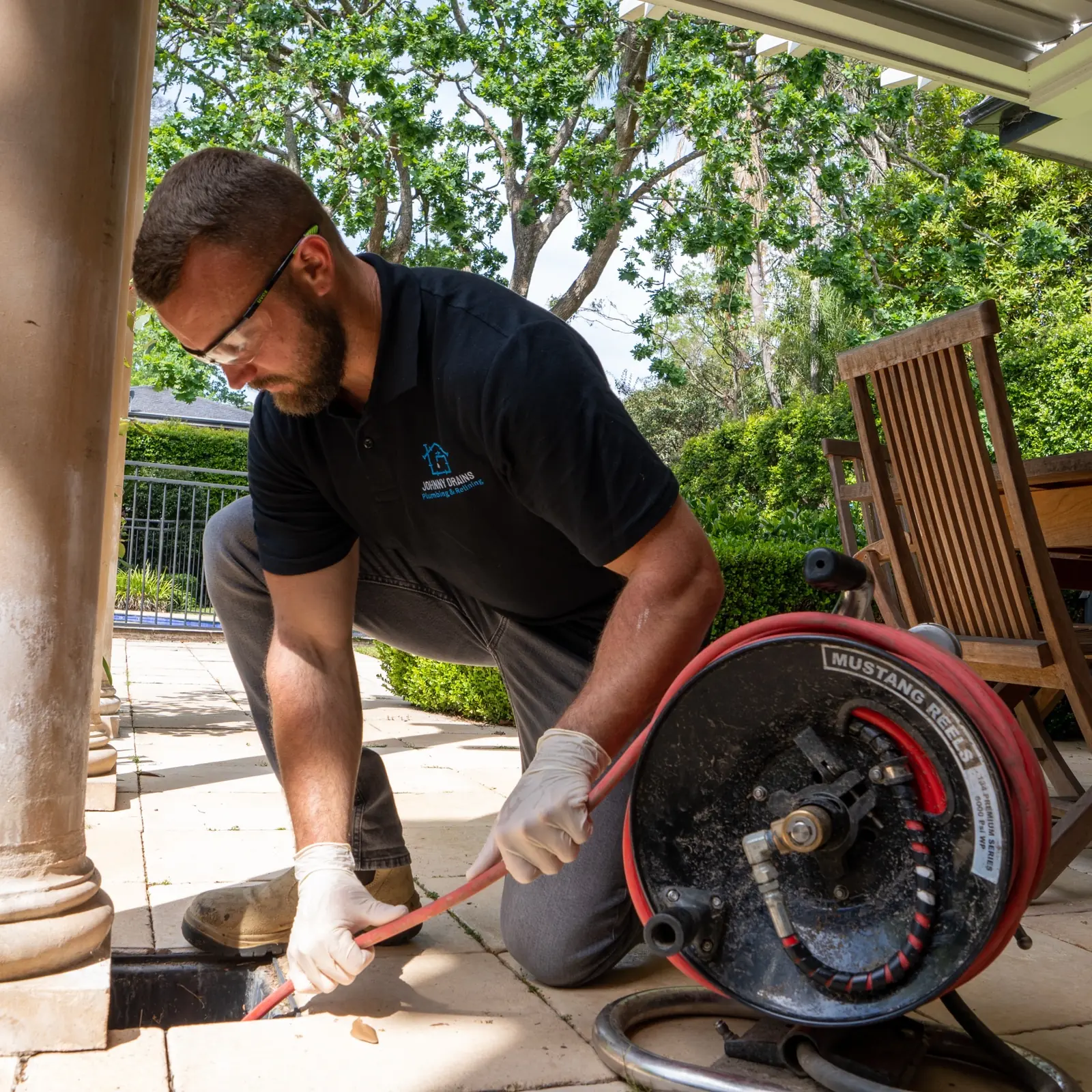
High-pressure water jetting can efficiently remove grease, sludge, scale and some root intrusion in suitable drains. The technician still needs to choose the right nozzle and method for the pipe condition and blockage type.
For recurring problems, the most useful outcome is not simply “water is moving again” but “we know why it blocked and what should happen next.”
Think in stages rather than one stopwatch
Blocked drain work often has several stages: gaining safe access, identifying the affected line, restoring flow, cleaning the pipe sufficiently to inspect it, and deciding whether the job is complete. A simple obstruction may finish after the clearing stage. A recurring or structural problem can continue into CCTV, locating and repair planning.
This is why a technician may not be able to promise an exact completion time before seeing the drain. The useful question is what has been found and what stage is still required.
Why access can change the job significantly
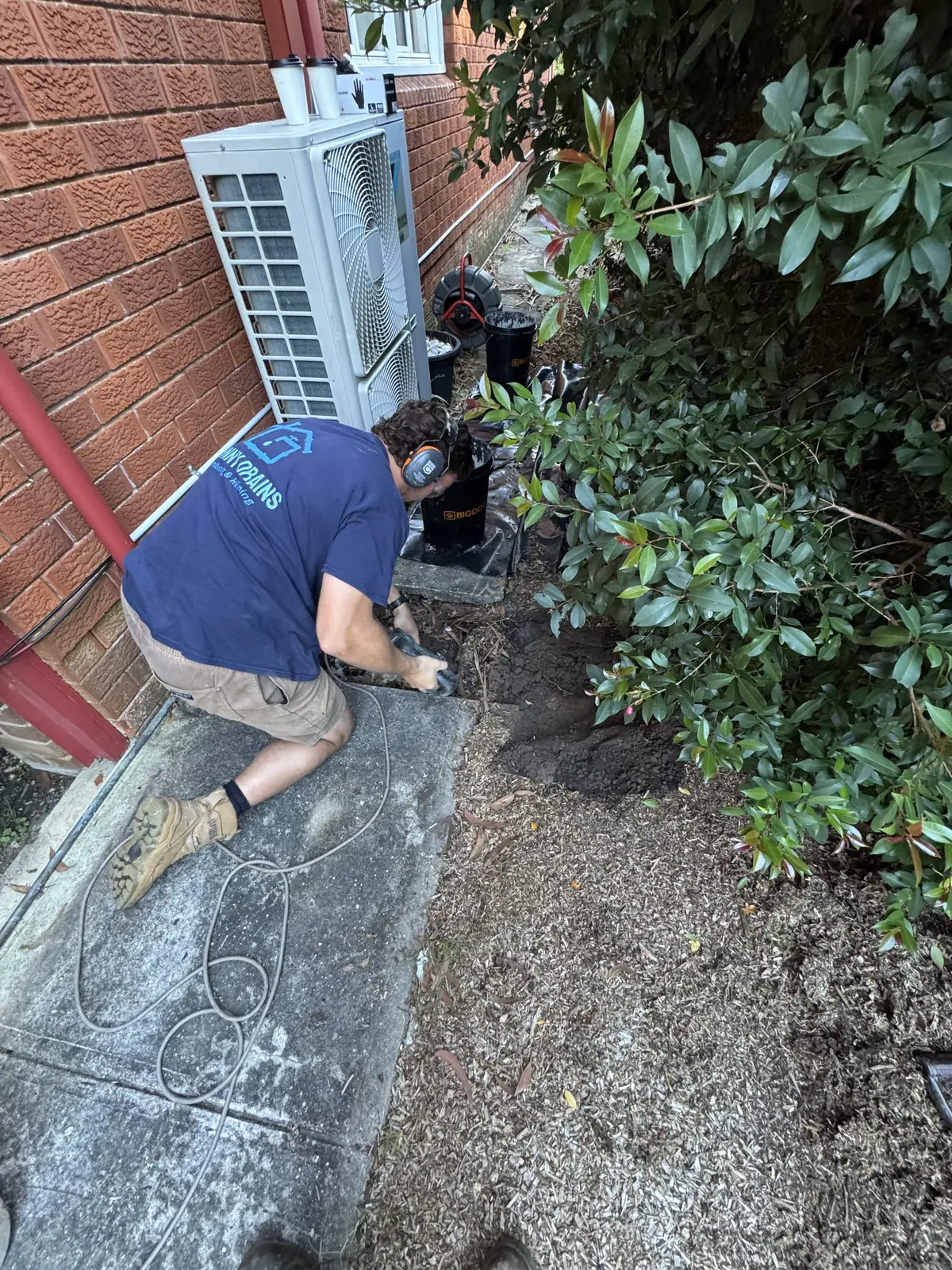
A suitable inspection opening close to the affected line makes equipment setup simpler. Where access is buried, restricted or on a difficult section of the property, more time may be spent locating and reaching the drain before clearing even starts.
Older properties can also have drainage routes that are not obvious from the surface. Electronic locating and available plans can reduce unnecessary searching.
Common timing questions
If the water starts draining again, is the job finished?
Not always. Restored flow is important, but a recurring blockage may still need the line cleaned more thoroughly and inspected to find the cause.
Do roots take longer to clear?
They can. Root intrusion varies from fine strands to dense masses entering through damaged joints. The condition of the pipe after root removal also affects whether repair planning is needed.
Does CCTV add much time?
The inspection itself can be efficient when the line is clean enough for the camera to see. If the pipe is still full of debris or water, additional clearing may be needed first.
Can you tell how long it will take from a photo?
A photo can show urgency and the visible symptom, but it cannot show the entire underground line. It is useful for triage, not a substitute for site diagnosis.
What to tell Johnny before arrival
Send your suburb, which fixtures are affected, when the problem started, whether water is rising and whether the drain has blocked before. Photos or short video can help communicate the situation. Johnny Drains handles blocked drain clearing across the Northern Beaches and Lower North Shore.