 WhatsApp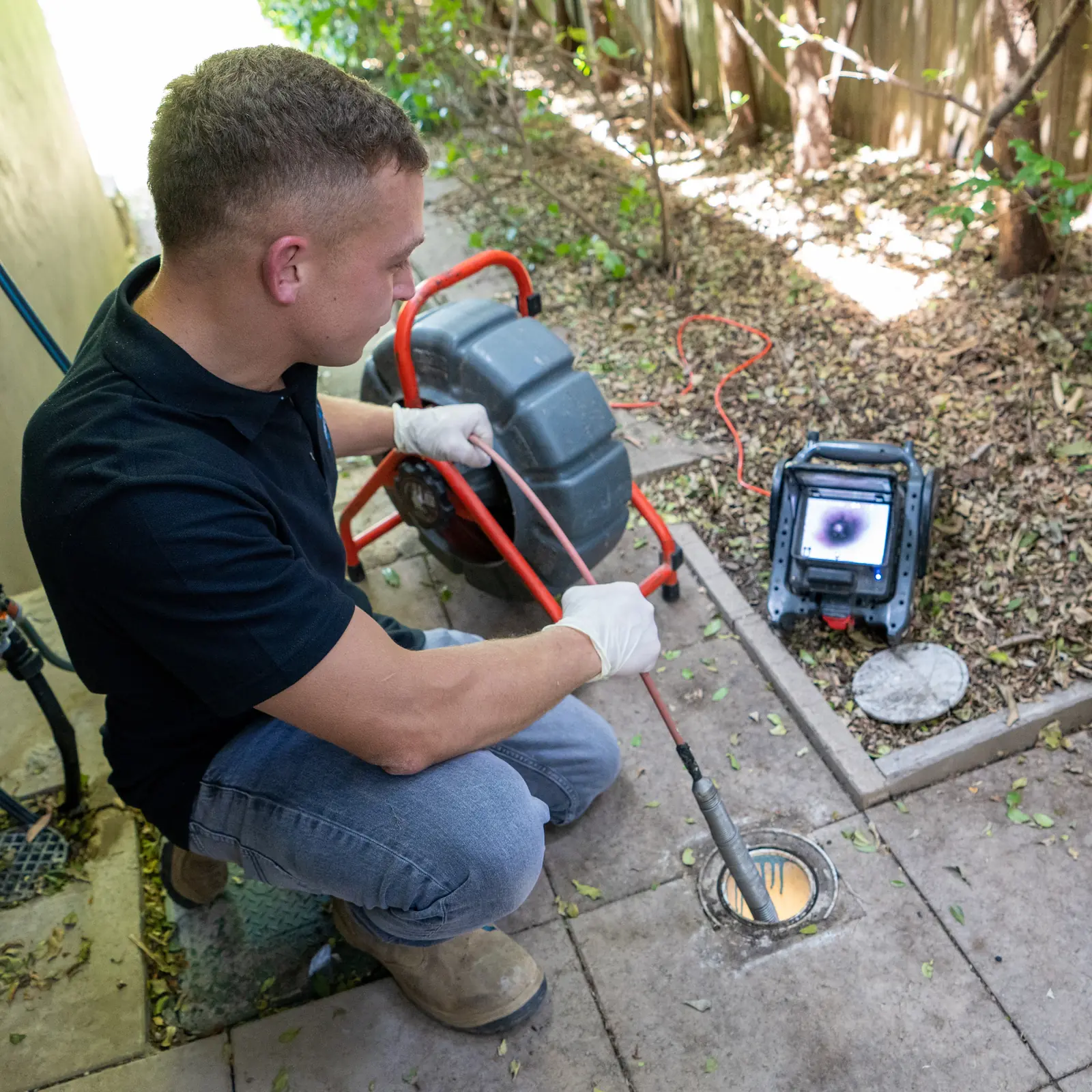
Blocked drain symptoms tell you where to start, but recurring faults need evidence. Restore safe flow first, then use CCTV and locating when roots or pipe damage may change the repair decision.
Clearing flow is not always the full repair
Opening a path through an obstruction can restore flow today, but it does not repair a cracked joint, collapsed section or recurring root entry. The pattern after clearing is important evidence.
Tree roots entering damaged joints
Roots do not usually enter a sound sealed pipe. They exploit moisture around cracks and failed joints, then trap paper and waste. Cutting them clears the line; repairing the entry point helps address recurrence.
Grease, wipes and foreign objects
Fats cool and adhere to pipe walls. Wipes and other products can catch on rough joints, roots or existing build-up. Over time the remaining opening becomes too small for normal flow.
Pipe damage, movement or poor fall
Cracks, displaced joints, deformation and sections with poor grade can hold debris. A camera inspection helps distinguish a cleaning problem from a structural one.
The line was not fully cleaned
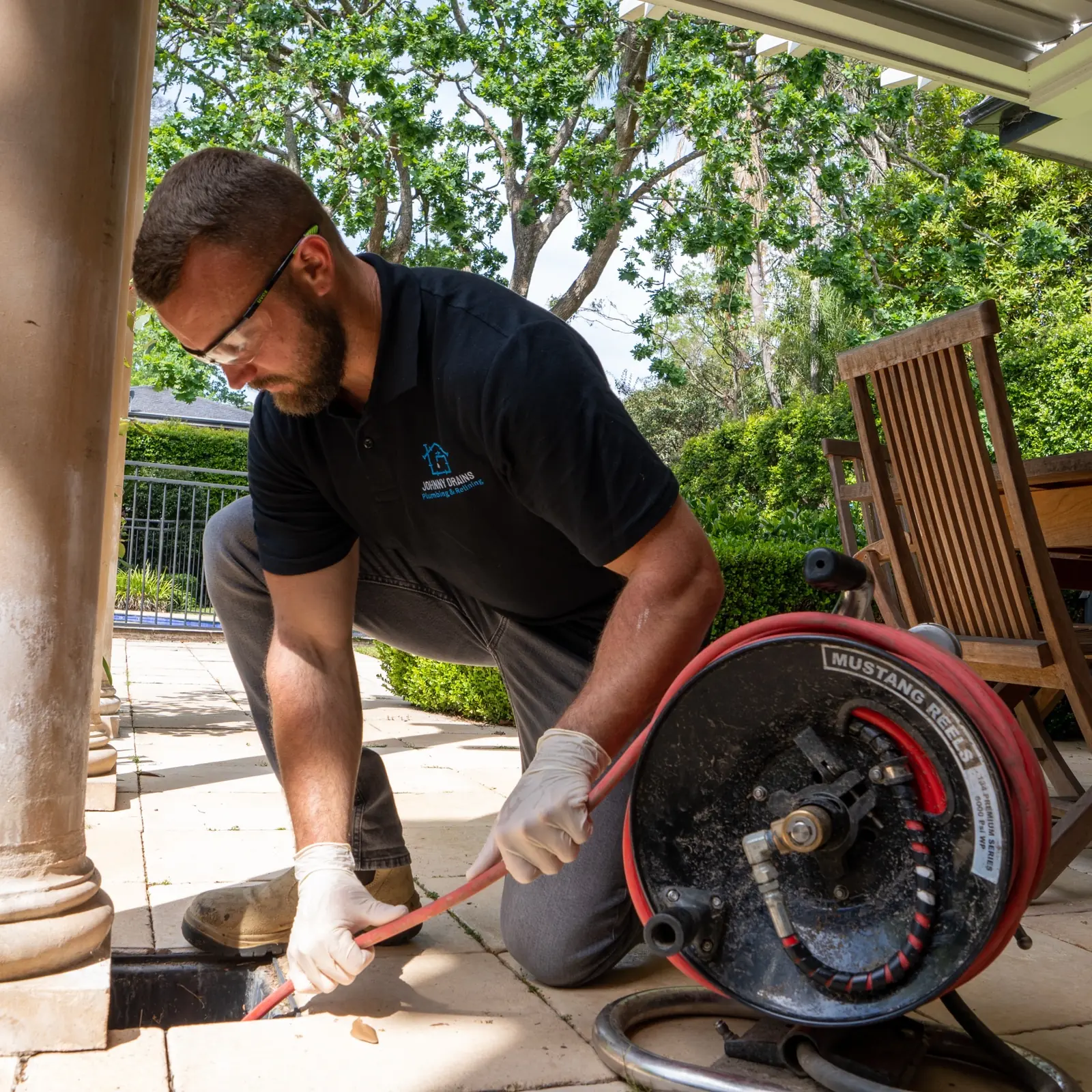
A basic cable may punch a temporary opening without removing material along the pipe wall. High-pressure jetting is often better suited to flushing grease, sludge and cut roots from appropriate lines.
How CCTV changes the decision
CCTV after clearing can show what remains, where it is and whether the pipe is a candidate for relining or needs targeted excavation. That makes the repair decision evidence-led.
Need help with the drain?
Johnny Drains provides 24/7 blocked drain clearing, CCTV inspections, high-pressure jetting, pipe relining and targeted repairs across the Northern Beaches and Lower North Shore.